May 23, 2026
Tobias Sturesson: from cult to corporate culture
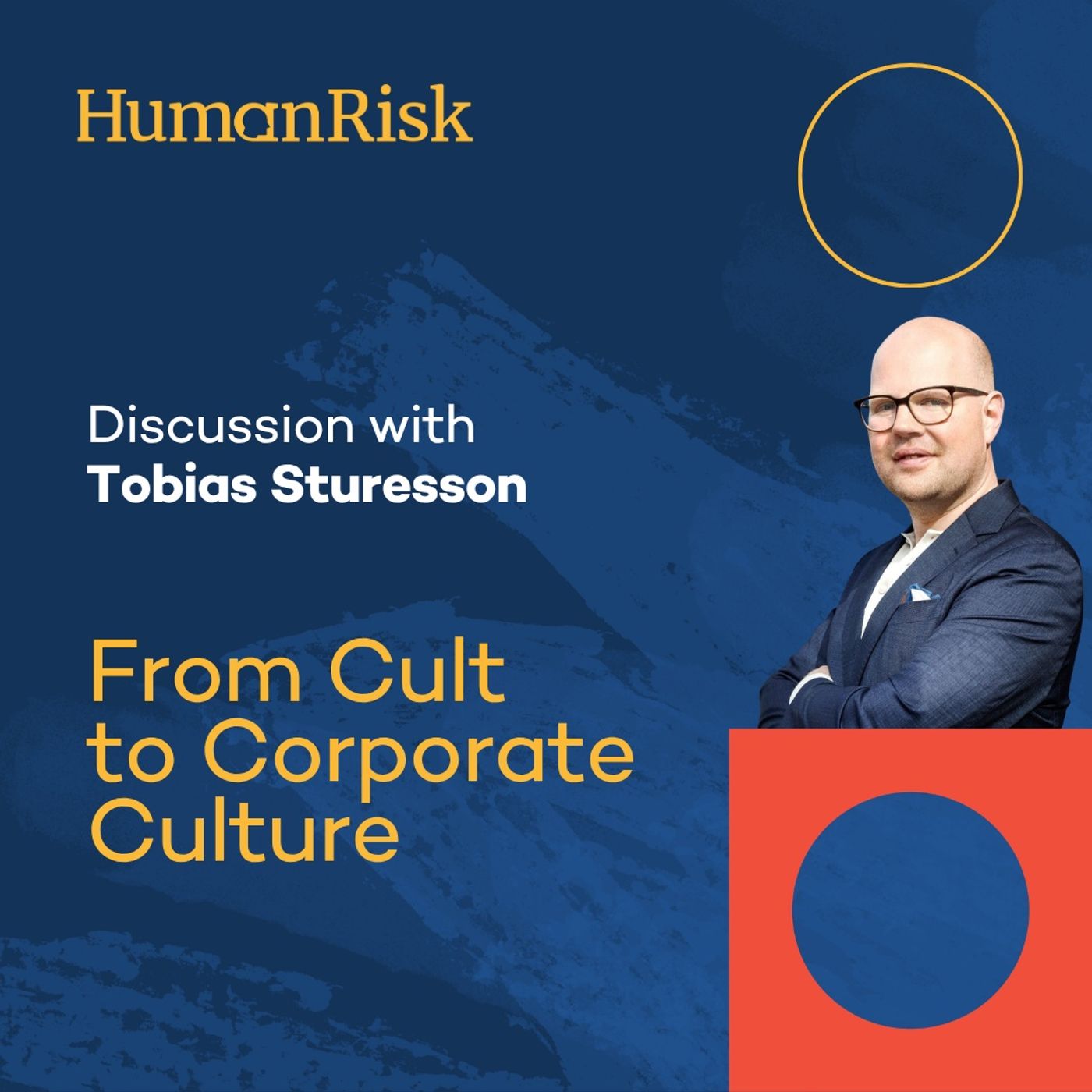
What can businesses learn from cults? It might sound like an uncomfortable comparison: one involves strategy meetings, values statements and quarterly targets; the other manipulation, charismatic leaders and extreme behaviour. But perhaps the...

 Spotify
 Apple Podcasts
 Overcast
 Castro
 iHeartRadio
 PocketCasts
 Castbox
 Podchaser
 RSS Feed
 Spreaker
 What can businesses learn from cults?
It might sound like an uncomfortable comparison: one involves strategy meetings, values statements and quarterly targets; the other manipulation, charismatic leaders and extreme behaviour. But perhaps the distinction isn't as clear as we'd like to think. Both create identities and shared beliefs. Both shape how people think and behave. And both can evolve gradually in ways that are hard to recognise from the inside.
Unhealthy cultures rarely appear overnight. Small compromises become normal, difficult questions become harder to ask, and behaviours that once felt uncomfortable slowly become accepted.
Episode Overview
On this episode, I'm joined by Tobias Sturesson, culture advisor and author of You Can Culture, whose understanding of organisational culture comes not from business school, but from a deeply personal experience growing up inside a religious community that gradually evolved into a cult.
Drawing on his own story — and his work helping organisations create healthier cultures — Tobias explains why good people can become part of unhealthy systems, why speaking up is often far harder than leaders realise, and why culture is shaped far less by mission statements than by the everyday behaviours people learn to accept.
We also explore:
Tobias is a culture advisor, speaker and author focused on helping organisations build healthier cultures and develop more responsible leadership practices. His work combines personal experience with research and practical interventions designed to help organisations identify and address the root causes that undermine cultural health. He is the author of You Can Culture: Transformative Leadership Habits for a Thriving Workplace, Positive Impact and Lasting Success.
Links
Tobias on LinkedIn – https://www.linkedin.com/in/tobiassturesson/
Heart Management - https://www.heartmanagement.org/
Tobias' Book: You Can Culture – https://youcanculture.com/
AI-Generated Timestamped Summary
00:00 — Introduction: What can cults teach us about culture?
03:00 — Tobias's story of growing up inside a community that became a cult
08:30 — How unhealthy environments evolve gradually
11:00 — Why leaving can be harder than joining
13:00 — The importance of people who help without judging
16:00 — Turning personal experience into professional purpose
19:00 — Why organisations often misunderstand their own problems
23:00 — Humility as a leadership strength
26:00 — The tension between expertise and curiosity
29:00 — Why business systems often reward the wrong behaviours
33:00 — The importance of listening and asking better questions
38:00 — Why reflection matters in fast-moving environments
42:00 — Culture as everyday conversations and habits
45:00 — Leadership signals and behavioural norms
49:00 — Building healthier cultures through leadership habits
53:00 — Why changing culture is difficult but necessary
56:00 — Creating a movement for healthier leadership
It might sound like an uncomfortable comparison: one involves strategy meetings, values statements and quarterly targets; the other manipulation, charismatic leaders and extreme behaviour. But perhaps the distinction isn't as clear as we'd like to think. Both create identities and shared beliefs. Both shape how people think and behave. And both can evolve gradually in ways that are hard to recognise from the inside.
Unhealthy cultures rarely appear overnight. Small compromises become normal, difficult questions become harder to ask, and behaviours that once felt uncomfortable slowly become accepted.
Episode Overview
On this episode, I'm joined by Tobias Sturesson, culture advisor and author of You Can Culture, whose understanding of organisational culture comes not from business school, but from a deeply personal experience growing up inside a religious community that gradually evolved into a cult.
Drawing on his own story — and his work helping organisations create healthier cultures — Tobias explains why good people can become part of unhealthy systems, why speaking up is often far harder than leaders realise, and why culture is shaped far less by mission statements than by the everyday behaviours people learn to accept.
We also explore:
- How communities and organisations can slowly drift into unhealthy patterns
- Why leaving damaging environments is often much harder than outsiders imagine
- The role of sunk costs, identity and belonging in keeping people trapped
- Why organisations often mistake symptoms for root causes
- The difference between “tone from the top” and “example from the top”
- Why humility may be one of the most underrated leadership traits
- The dangers of leaders creating the appearance of listening without genuinely hearing people
- Why culture initiatives often fail to create lasting behavioural change
- How everyday leadership habits shape organisational culture
- Why discomfort is often necessary for growth
Tobias is a culture advisor, speaker and author focused on helping organisations build healthier cultures and develop more responsible leadership practices. His work combines personal experience with research and practical interventions designed to help organisations identify and address the root causes that undermine cultural health. He is the author of You Can Culture: Transformative Leadership Habits for a Thriving Workplace, Positive Impact and Lasting Success.
Links
Tobias on LinkedIn – https://www.linkedin.com/in/tobiassturesson/
Heart Management - https://www.heartmanagement.org/
Tobias' Book: You Can Culture – https://youcanculture.com/
AI-Generated Timestamped Summary
00:00 — Introduction: What can cults teach us about culture?
03:00 — Tobias's story of growing up inside a community that became a cult
08:30 — How unhealthy environments evolve gradually
11:00 — Why leaving can be harder than joining
13:00 — The importance of people who help without judging
16:00 — Turning personal experience into professional purpose
19:00 — Why organisations often misunderstand their own problems
23:00 — Humility as a leadership strength
26:00 — The tension between expertise and curiosity
29:00 — Why business systems often reward the wrong behaviours
33:00 — The importance of listening and asking better questions
38:00 — Why reflection matters in fast-moving environments
42:00 — Culture as everyday conversations and habits
45:00 — Leadership signals and behavioural norms
49:00 — Building healthier cultures through leadership habits
53:00 — Why changing culture is difficult but necessary
56:00 — Creating a movement for healthier leadership