Oct. 7, 2023
Sebastian Lees on Humanizing Technology
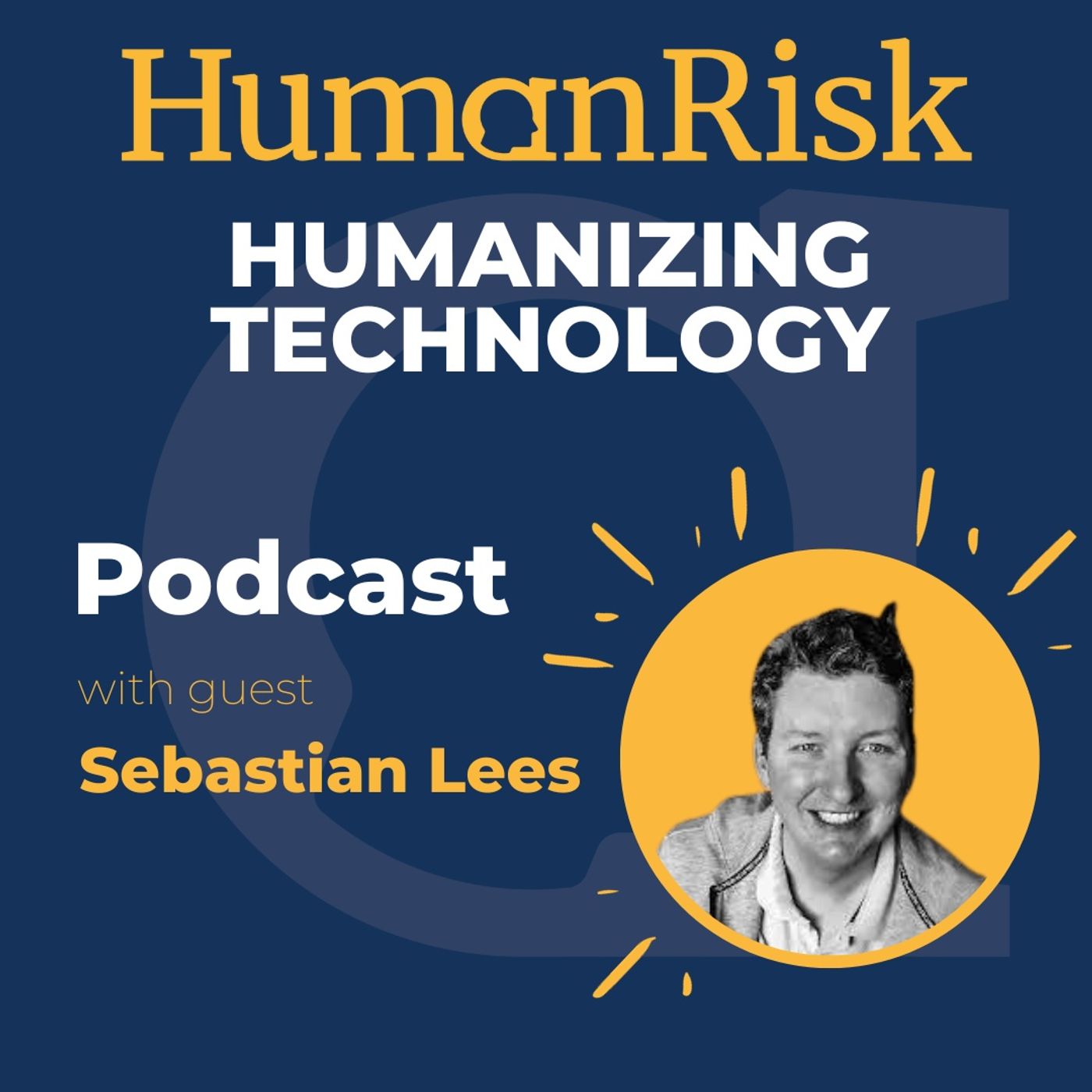
Why is some software a real pain to use? How does it happen, and what can we do to make it not happen?
On this episode, I’m speaking with Sebastian Lees, an experienced software developer with a keen interest in making things more human-centric. We...


Why is some software a real pain to use? How does it happen, and what can we do to make it not happen?
On this episode, I’m speaking with Sebastian Lees, an experienced software developer with a keen interest in making things more human-centric. We often think of computers as making our lives easier and reducing human risk. Yet, poor design and a lack of thinking about the humans that will use it can actually increase rather than decrease human risk.
In our discussion, amongst other things, we explore:
For more on Seb, including links to Fat Tony’s and his social media accounts: https://sebs.website/
For more on Nassim Taleb: https://www.fooledbyrandomness.com/
To see the Malicious Compliance Thread on Reddit: https://www.reddit.com/r/MaliciousCompliance/
On this episode, I’m speaking with Sebastian Lees, an experienced software developer with a keen interest in making things more human-centric. We often think of computers as making our lives easier and reducing human risk. Yet, poor design and a lack of thinking about the humans that will use it can actually increase rather than decrease human risk.
In our discussion, amongst other things, we explore:
- The concept of 'human OS' in software development and how understanding the human psychological component is essential in creating effective and user-friendly software systems;
- The importance of balancing innovation and user comfort when updating software interfaces, using the evolution of Microsoft Office’s ribbon interface as a case study;
- The concept of affordance; how users often employ products in ways not originally intended by the developers, and how this can influence software design:
- The impact of seemingly minor tweaks to software on efficiency and user satisfaction, highlighting the importance of tailoring software to the users' habits and preferences;
- The critical role of smart process management in mitigating risks in software development illustrated through the case study of the 2012 Knight Capital failure.
- The influence of Nassim Taleb's ideas on software development approach and the application of his concepts, such as anti-fragility and survivorship bias in the field.
- The story of the Fat Tony's community, a group inspired by a character from Taleb's books, demonstrating the potential of small ideas to create significant impact.
For more on Seb, including links to Fat Tony’s and his social media accounts: https://sebs.website/
For more on Nassim Taleb: https://www.fooledbyrandomness.com/
To see the Malicious Compliance Thread on Reddit: https://www.reddit.com/r/MaliciousCompliance/


